Community Astronomy Clubs in the UK: How to Find One and What to Expect
A practical guide to finding a UK astronomy club, what happens at meetings and star parties, and how to...

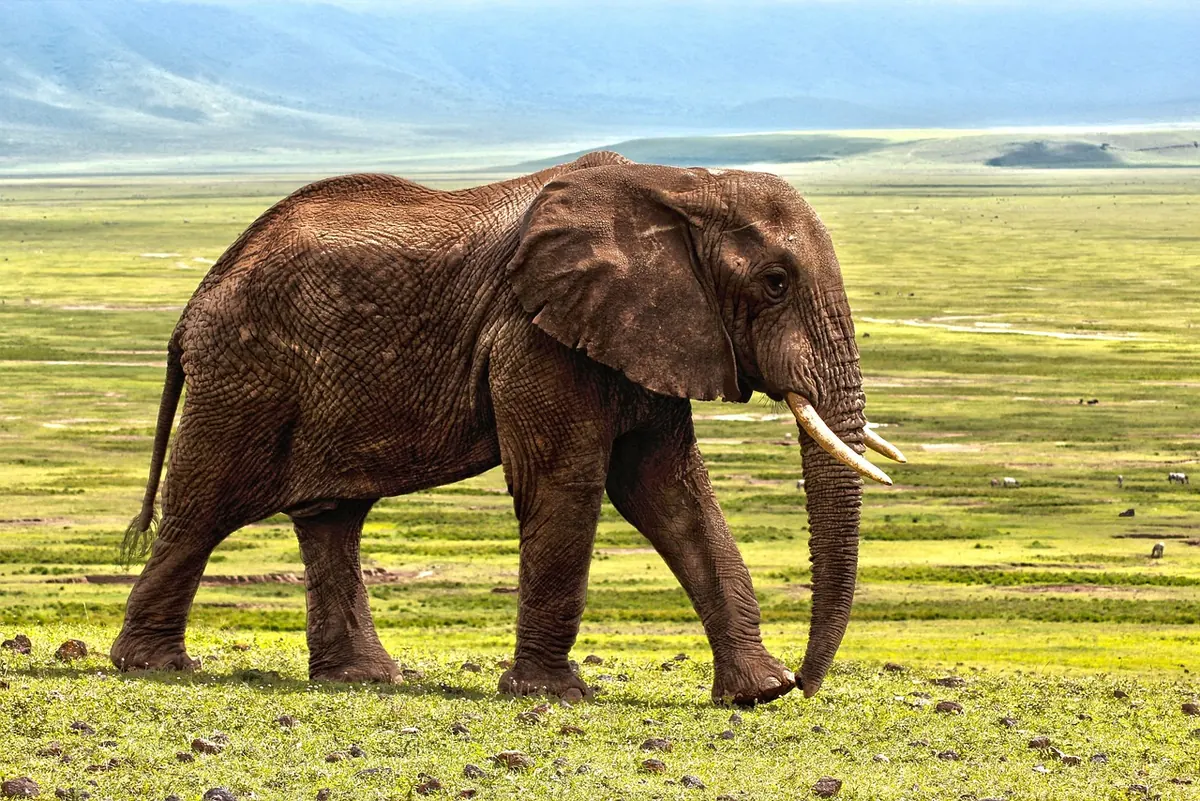
There's a moment on a first dark-sky trip when the sky stops being a background and becomes the main event. Somewhere like Galloway Forest Park, Exmoor or the Northumberland coast, the Milky Way turns from a faint smear into a textured band with dust lanes running through it. It rarely happens by accident. Dark sky reserves are dark for a reason: they are remote, rural places, and the good nights depend on timing, weather and a little preparation. Work through this checklist before you go, and you will spend your first trip looking up rather than rummaging around in the boot of the car.
Not all dark sky places suit a beginner equally. Some, like Exmoor or the Yorkshire Dales, have decent-sized towns within easy reach and a choice of pubs and bunkhouses. Others, such as the Northumberland Dark Sky Park around Kielder or the Elan Valley in mid Wales, are genuinely remote, with long single-track lanes and very little between you and the horizon.
For a first visit, favour somewhere that combines a dark core with basic comforts within a short drive. A twenty-minute retreat to a warm room and a cup of tea changes the whole experience if cloud rolls in at midnight.
A full moon in a dark sky reserve is still a full moon. It will wash out faint stars, nebulae and most of the Milky Way. Aim for the nights around new moon, or at least a week either side, and check the moon's rise and set times for the date you have in mind. Several evenings each month give you a dark window after moonset or before moonrise.
Season matters too. At UK latitudes, midsummer nights never become fully dark, so the deep-sky views people rave about are largely a late summer to spring affair. September through April offers the longest hours of true darkness, with crisp winter air often giving the steadiest skies. If you are chasing a meteor shower, remember that the shower date matters less than the moon; a bright moon will ruin even a strong shower.
Dark sky accommodation is limited and demand clusters around new moon weekends, school holidays and any local dark sky festival. Book early, and book flexibly. Weather in the UK does what it likes, so a booking with a sensible cancellation policy is worth more than a cheaper one you cannot move.
Observatory open evenings, guided stargazing walks and planetarium sessions also sell out, sometimes weeks ahead. If you want a telescope view of a planet or a talk from someone who knows the constellations, reserve it rather than hoping to turn up. And if you are travelling a long way, consider two nights instead of one. Cloud cover is the single biggest risk to a first trip, and a spare evening doubles your chances.
Stargazing is mostly standing still, and standing still in a field at midnight in March is much colder than you expect. Layers beat bulk, and a flask beats optimism.
Allow at least twenty to thirty minutes away from white light before judging the sky. Your eyes adapt slowly, and the view at minute five is nothing like the view at minute thirty. Once adapted, try averted vision: look slightly to the side of a faint object and it will often appear more clearly.
Set yourself a short list of targets for the season. In autumn and winter, Orion's nebula and the Pleiades are easy, satisfying finds. In late summer, look for the Summer Triangle overhead. Check whether the International Space Station is due to pass over; a bright pass across a dark sky is a brilliant first-night moment, and timings are published freely online.
Do not expect photographs. A dark sky from the naked eye is subtle and beautiful, not a Hubble image. The reward is the structure you start to notice once the initial disappointment that it is not brighter wears off.
Tell someone where you are going and when you expect to be back. Mobile signal in many reserves is patchy or nonexistent, so do not rely on your phone for navigation or emergencies. Carry a paper map, know the car park closing times, and avoid walking unlit paths or open moorland at night unless you are confident in the terrain.
Keep noise down, shut gates behind you, take all litter home, and never sweep headlights across a viewing area as you leave; switch to sidelights before you start the engine. Dogs should be under close control, particularly around livestock. If you have a medical condition, mobility difficulty or are travelling alone for the first time, plan conservatively and let someone know your plans. Where health or safety matters, take proper advice for your own circumstances.
Pick your reserve, watch the moon and the forecast, pack warmer than feels reasonable, and give the night enough time. The dark is rarely dramatic at first. It grows on you, and that is exactly the point.
Photo: laurentmarx / Pixabay
A practical guide to finding a UK astronomy club, what happens at meetings and star parties, and how to...
The northern lights are rare from Britain but not impossible. Here's how forecasts, dark-sky sites and...
A practical first-night guide to assembling, aligning and focusing a new telescope, with a checklist to...