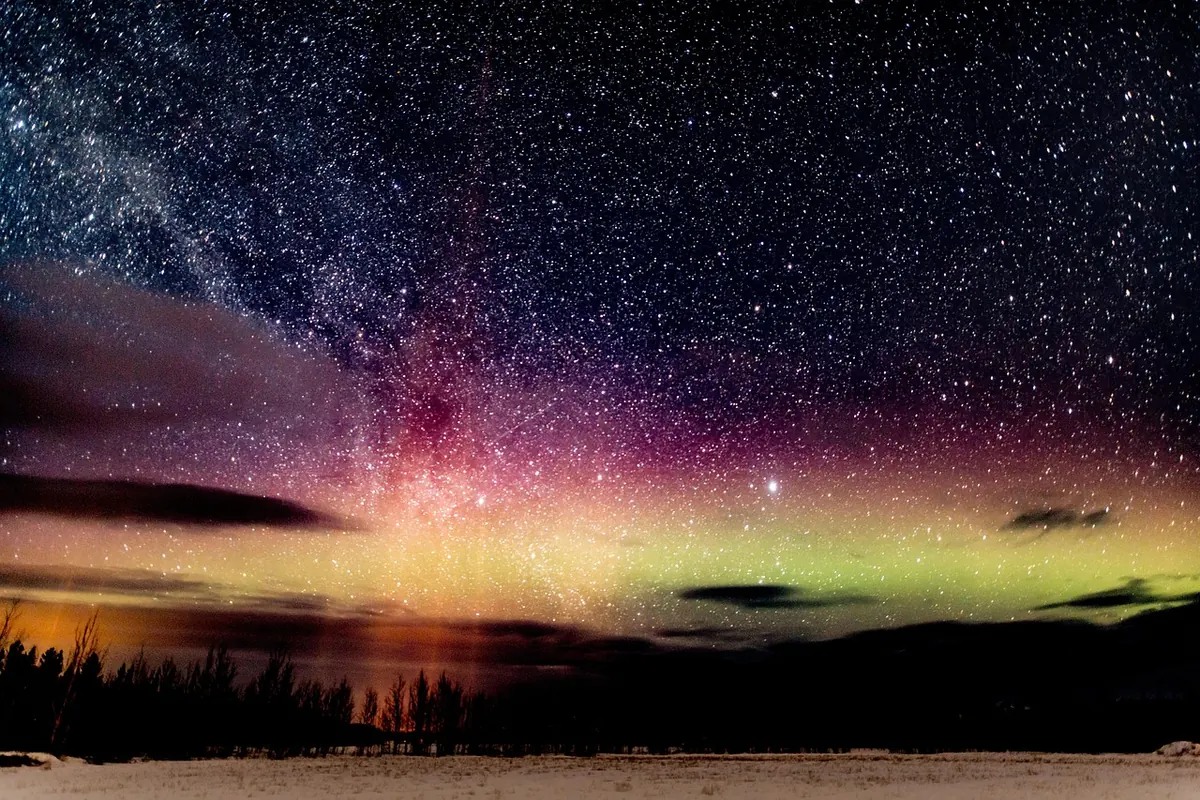
The Northern Lights in the UK: How to Boost Your Chances of Seeing the Aurora
The northern lights are rare from Britain but not impossible. Here's how forecasts, dark-sky sites and...


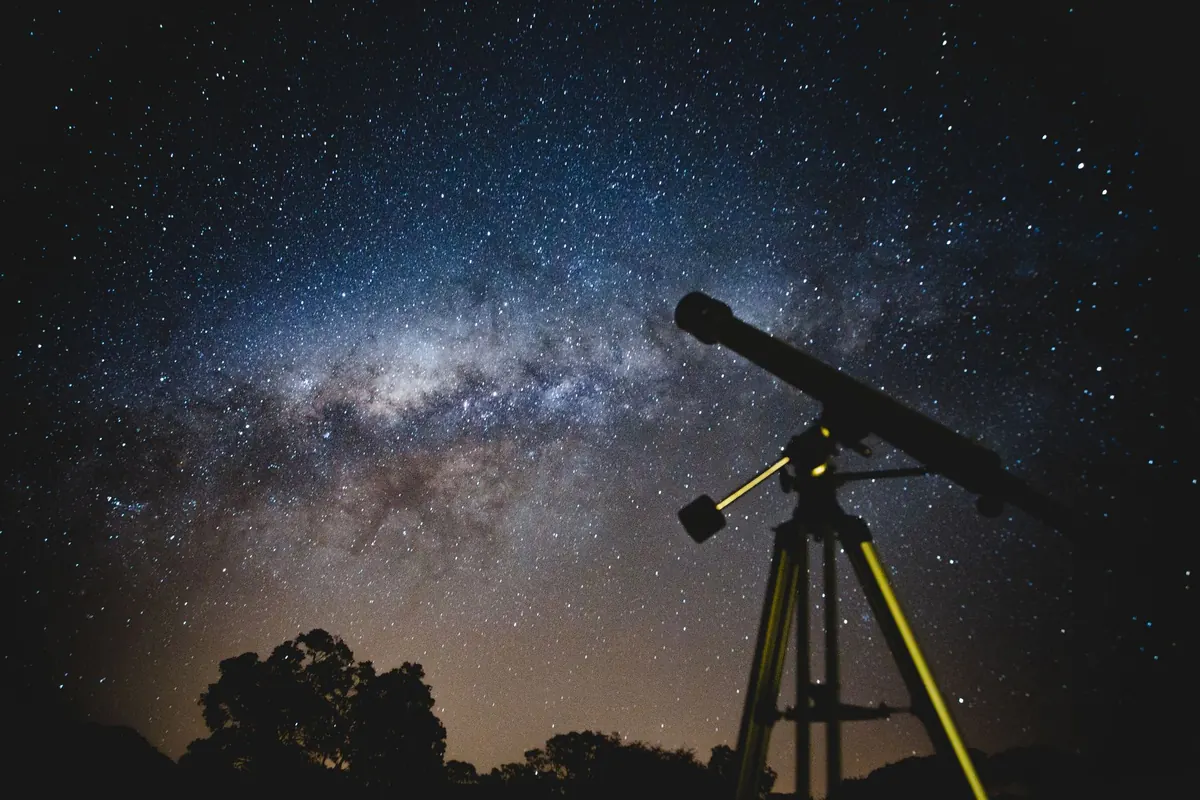
There is a moment at almost every club observing night when somebody looks through a telescope and goes quiet: the rings of Saturn, the four bright moons of Jupiter in a neat row, the shadowed edge of a lunar crater. That silence is usually where a mild interest in the night sky turns into a proper hobby. Britain makes it hard work — cloud, streetlight glow and pale summer twilight all conspire against stargazers — which is exactly why joining a local astronomy club is the quickest way to see more, learn more and keep going.
Phone apps and planetarium software are wonderful for learning the constellations. They will not, however, hand you an eyepiece, talk you out of an expensive mistake or stand next to you in a cold field explaining why your finder scope is pointing the wrong way. A club does all three.
Many clubs also do public outreach — school visits, village fêtes, side-of-the-road Moon watches — and some campaign on local lighting issues. It is a sociable hobby dressed up as a solitary one.
Searching for "astronomical society" plus your county or nearest large town is the simplest starting point. Most UK clubs have a straightforward name taken from the town or district they serve, though a few carry grander titles than their membership of forty would suggest. A sensible route looks like this:
Message before you turn up. Clubs are volunteer-run, and a quick email saves a wasted journey if a meeting has moved or been cancelled.
Most clubs meet monthly from September to May, often in a village hall, community centre or the back room of a pub. Doors open around half seven, and there is usually tea, biscuits and a good deal of chat before anyone sits down.
Expect a short round of notices, a "what's in the sky this month" slot pointing out planets, meteor showers and notable passes of the International Space Station, and then the main talk. Speakers range from club members sharing holiday photographs of the southern sky to visiting academics. Questions afterwards are friendly rather than testing.
This is where the real value sits. Members compare eyepieces, argue about collimation, arrange lifts to the next observing night and lend books. Some clubs run a telescope surgery where you can bring along a neglected instrument from the loft and have it coaxed back into life. Many have a junior section or welcome families, though it is worth checking the age guidance first.
Monthly meetings are indoors; the observing sessions are the point of it all. These are informal, weather-dependent and usually announced by email or a message group a day or two ahead. Dress far more warmly than you think necessary — a still field at midnight in March is colder than any winter walk — and bring a flask.
Two rules matter above all others. First, no white light: a phone screen or car interior light will wipe out everyone's dark adaptation for twenty minutes. Red torches are the norm, and most phones can be dimmed or switched to a red filter. Second, arrive before dark if you can, or park facing away from the observing area so your headlights do nothing damage.
Bigger events are called star parties and run over a weekend, sometimes with camping, talks and trade stands. They are excellent for seeing a wide range of equipment in use and for getting a proper look at genuinely dark skies.
Turn up without a telescope. Nobody will mind, and you will learn more in one evening of borrowed eyepieces than in a month of reading reviews. Most clubs charge a modest annual subscription, often with a reduced rate for juniors, students or those on lower incomes, and many let you attend a couple of meetings as a guest first. Ask what the fee covers and whether there is an extra charge for the Christmas meal.
Useful things to bring to a first meeting: a notebook, a red torch or a dimmed phone, warm layers if observing is planned, and a couple of questions written down so you do not forget them.
Go to two or three meetings before deciding anything. Learn the sky with binoculars — a decent pair of 10x50s shows craters, the Galilean moons, star clusters and the Andromeda galaxy from a reasonably dark garden, and costs far less than a telescope. Ask to look through other people's kit at every opportunity, and note which designs feel comfortable to use rather than which sound most impressive on paper. Volunteer for a public event; showing a stranger Saturn is the fastest way to learn your own way around the sky.
Then, when you do buy, buy second-hand through a club contact if you can. You will get better equipment for the money, and someone will already have shown you how to use it. For more on what to see and when, explore the observing guides here on Orbit Haven.
Photo: StockSnap / Pixabay
The northern lights are rare from Britain but not impossible. Here's how forecasts, dark-sky sites and...
A practical first-night guide to assembling, aligning and focusing a new telescope, with a checklist to...
What Happens to the Human Body in Space? A Beginner's Guide EXCERPT: Weightlessness reshapes bones,...